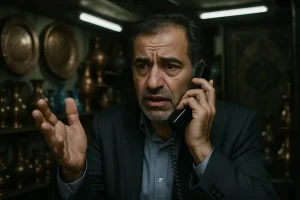
When I step outside in Tehran today, the atmosphere feels dramatically different from the rhythm of everyday life the city once knew. The streets are still busy, markets still open, and families still move through their routines, but there is an unmistakable tension in the air. The phrase Tehran under pressure has become more than a headline it has become the lived reality of millions of people navigating uncertainty.
In recent days, the capital has faced a wave of escalating events that include airstrikes targeting strategic sites, fires at fuel depots, and mounting regional tensions connected to the broader conflict shaping the Middle East. While headlines often focus on military strategy and geopolitics, the reality on the ground is a mixture of resilience, anxiety, and determination.
From the rooftops overlooking Tehran’s dense neighborhoods to the crowded avenues near government districts, the sense that something historic is unfolding has become impossible to ignore.
The Night Sky Over Tehran
The moment many residents remember most clearly is the sudden disruption of the night sky. In recent weeks, reports of explosions and distant flashes have interrupted what once were quiet evenings across the city.
During these moments, Tehran under pressure becomes visible in ways that words alone cannot capture. Sirens echo through the streets, emergency vehicles move quickly through traffic, and families gather around televisions or smartphones searching for updates.
Authorities say several airstrikes have targeted infrastructure believed to be linked to military operations or energy facilities. The goal, according to regional analysts, is to weaken strategic capabilities and disrupt logistics.
For residents, however, the experience feels far more immediate. Windows rattle from distant impacts, and the glow of fires can sometimes be seen on the horizon beyond Tehran’s skyline.
Fuel Depot Fires and Environmental Concerns
One of the most dramatic developments contributing to Tehran under pressure has been the outbreak of fires at major fuel storage sites.
Fuel depots play a crucial role in supplying energy to the city’s vast population. When these facilities are damaged, the effects extend beyond the immediate flames and smoke. Thick plumes of black smoke rising into the sky have sparked fears about air quality and environmental damage.
Officials have warned that burning fuel reserves may release pollutants that linger in the atmosphere long after the flames are extinguished. For residents already accustomed to Tehran’s urban air pollution challenges, these fires represent a troubling new dimension of the crisis.
Environmental experts and humanitarian organizations have begun monitoring the situation closely. The Tehran under pressure updates shared by the United Nations emphasize concerns about civilian safety and environmental consequences when critical infrastructure becomes a target during conflicts.
Daily Life Continues Despite Uncertainty
Despite the headlines and tension surrounding Tehran under pressure, daily life continues in surprising ways.
In local markets, vendors still arrange fruits and vegetables in colorful displays. Cafés remain open, offering tea and conversation for those seeking brief moments of normalcy. Parents continue escorting children to school, even as they remain alert to sudden developments.
Walking through Tehran’s bustling streets, I notice that many residents speak quietly about the situation but rarely allow fear to dominate their daily routines. Instead, there is a quiet determination to maintain a sense of stability.
For many families, the greatest challenge is balancing awareness with resilience. People monitor news updates closely, yet they also focus on maintaining routines that provide structure and comfort during uncertain times.

The Strategic Importance of Tehran
To understand why the city remains at the center of this crisis, it is essential to recognize Tehran’s strategic significance.
As the political and administrative heart of Iran, the capital houses major government institutions, military command centers, and economic infrastructure. This concentration of authority makes Tehran a focal point during periods of regional tension.
When analysts discuss Tehran under pressure, they often highlight how events in the city reverberate far beyond its borders. Decisions made here influence diplomatic negotiations, military planning, and energy markets across the region.
The city’s role as both a national symbol and a strategic hub means that developments within its boundaries carry global implications.
Regional Tensions Expanding Beyond Tehran
The situation inside Tehran cannot be separated from the broader geopolitical landscape shaping the Middle East.
Missile exchanges, diplomatic confrontations, and shifting alliances have created an environment where tensions extend across multiple countries. As regional powers respond to evolving developments, Tehran finds itself increasingly entangled in a complex web of international relations.
Observers warn that continued escalation could lead to further instability, potentially drawing additional actors into the conflict. For residents of the city, these geopolitical dynamics often feel distant yet deeply consequential.
Every headline, every official statement, and every diplomatic move has the potential to influence the atmosphere in which daily life unfolds.

The Human Dimension of the Crisis
While military strategies and political debates dominate global news coverage, the human experience of Tehran under pressure is far more nuanced.
People here are not simply spectators to events unfolding around them they are participants in a collective effort to adapt and endure. Conversations in public spaces often shift between concern and cautious optimism.
Some residents speak about the importance of remaining calm and supporting one another during difficult periods. Others reflect on how the city has faced challenges before and emerged stronger.
What stands out most is the quiet resilience that defines life in Tehran today.
A City Facing an Uncertain Moment
As I reflect on the unfolding story of Tehran under pressure, it becomes clear that the city is navigating one of the most complex moments in its recent history.
Airstrikes, fuel depot fires, and rising regional tensions have introduced new layers of uncertainty into daily life. Yet amid these challenges, the spirit of the city remains visible in the determination of its residents to continue moving forward.
Tehran is more than a geopolitical focal point it is a living, breathing metropolis filled with families, communities, and traditions that persist even during times of crisis.
The events shaping the capital today will undoubtedly influence the region’s future. But as history has shown many times before, cities like Tehran possess an enduring capacity for resilience. Even under pressure, life continues, stories unfold, and the hope for stability remains strong.