


I’ve followed conflicts across the globe, but life in Tehran during war carries a distinct weight one shaped by history, resilience, and an uneasy sense of unpredictability. In recent days, the Iranian capital has found itself at the center of escalating tensions, with airstrikes, political uncertainty, and widespread anxiety redefining daily existence.
Tehran, a sprawling metropolis of more than eight million people, is no stranger to pressure. Yet what’s unfolding now feels different. The sound of sirens, distant explosions, and emergency alerts has become part of the city’s rhythm. For civilians, survival is no longer just about safety it’s about adapting quickly to a constantly shifting reality.
Daily Life Under the Threat of Airstrikes
The most immediate challenge shaping life in Tehran during war is the persistent threat of airstrikes. Residents describe nights punctuated by sudden blasts, followed by moments of eerie silence that feel almost heavier than the noise itself.
In conversations with people on the ground, a common theme emerges: uncertainty is more exhausting than fear. Many families have begun sleeping in interior rooms or basements, improvising shelters in spaces never designed for protection.
Daily routines have been reshaped. Schools operate intermittently, businesses close early, and traffic patterns shift as people attempt to avoid potential targets. Even simple errands buying groceries or visiting relatives require careful timing and awareness.
What stands out most is how quickly these adjustments have become normalized. Survival, in this context, is about routine under pressure.
The Strain on Essential Services and Supplies
As the situation intensifies, access to essential goods and services has become increasingly fragile. Supply chains are disrupted, leading to shortages of fuel, medicine, and basic food items.
Markets remain open, but shelves often empty quickly. Prices fluctuate, adding financial stress to an already tense environment. For many residents, the challenge isn’t just finding supplies it’s doing so safely amid ongoing threats.
Healthcare systems are also under pressure. Hospitals continue to operate, but they face the dual burden of treating injuries related to the conflict while maintaining everyday medical services.
According to global humanitarian assessments from International Committee of the Red Cross, urban warfare significantly strains infrastructure, often leaving civilians vulnerable to both direct and indirect consequences of conflict.
Communication, Information, and Digital Lifelines
In modern conflicts, information is as critical as physical safety. For those experiencing life in Tehran during war, staying connected has become both a necessity and a challenge.
Internet access remains inconsistent, with occasional slowdowns or restrictions. Despite this, digital platforms serve as lifelines for updates, coordination, and reassurance. Messaging apps are used to check on loved ones, share safe routes, and relay news in real time.
However, the flow of information is often fragmented. Rumors spread quickly, and verifying facts can be difficult. This creates an additional layer of stress, as residents must navigate not only physical danger but also information uncertainty.
In this environment, trust becomes a scarce and valuable resource.
Emotional Toll and Psychological Resilience
Perhaps the most profound aspect of life in Tehran during war is the emotional and psychological impact. Living under constant threat reshapes how people think, feel, and interact.
Parents work to shield their children from fear, often turning tense moments into games or distractions. Communities, meanwhile, show remarkable solidarity neighbors check on one another, share resources, and offer support where they can.
Yet the strain is undeniable. Anxiety, fatigue, and a sense of vulnerability are widespread. The unpredictability of each day makes long-term planning nearly impossible.
Still, what I find most striking is the resilience of ordinary people. Even in the face of uncertainty, there’s a determination to maintain dignity and normalcy wherever possible.
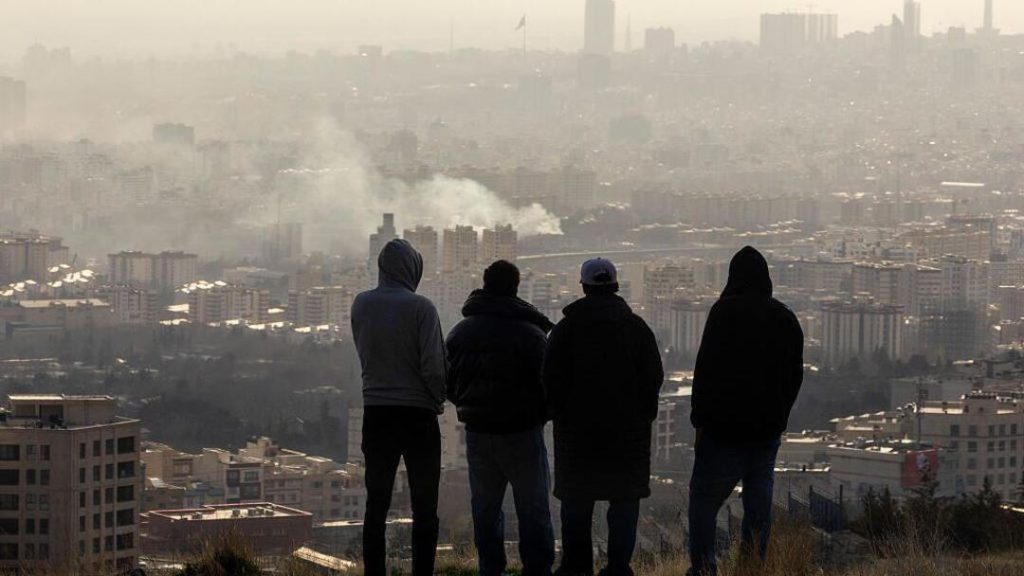
Adapting to a New Reality
Over time, life in Tehran during war has become a process of adaptation. People learn to interpret warning signs, adjust their schedules, and make quick decisions based on limited information.
Small acts sharing food, helping a neighbor, keeping businesses open take on greater meaning. These moments reflect a broader effort to preserve community and continuity amid disruption.
Transportation patterns have shifted, with many avoiding crowded areas. Work routines have become flexible, and families are increasingly prioritizing safety over convenience.
In many ways, the city continues to function but under a different set of rules, shaped by necessity rather than choice.
Global Implications and Growing Concern
The situation in Tehran is not isolated. It carries broader implications for regional stability and global security. As tensions escalate, international observers are closely monitoring developments.
For civilians, however, these geopolitical dynamics feel distant compared to immediate concerns safety, survival, and the well-being of loved ones.
This contrast highlights a critical reality: while governments and analysts debate strategy, ordinary people bear the direct consequences.

Survival, Strength, and the Human Spirit
Reflecting on life in Tehran during war, one truth stands out above all: resilience is not abstract it’s lived daily by millions of people navigating extraordinary circumstances.
Civilians are adapting to airstrikes, shortages, and uncertainty with a quiet strength that often goes unnoticed. Their experiences remind us that behind every headline are individuals striving to maintain normalcy in the face of disruption.
While the future remains uncertain, the ability of Tehran’s residents to endure and adapt offers a powerful testament to the human spirit under pressure.
In the end, this is not just a story about conflict. It’s a story about survival, connection, and the enduring hope that even in the darkest moments, life continues forward.


